
Arniston Spa Hotel
A three visit commission shaped by
place, atmosphere, and experience
The COMMISSION
This commission for Arniston Spa Hotel developed over three short visits across twelve months. Rather than approaching the project as a standard hotel shoot, I worked to understand Arniston as both a place to stay and a lived coastal setting. The result was a body of imagery shaped by atmosphere, locality, and the guest experience, with independent story-led narratives developed alongside the project.
Client
Arniston Spa Hotel
Scope
Place-led hospitality and destination photography
Duration
3 visits over 12 months
Output
Fine art imagery, with independent story-led narratives
The Brief
A slower, more interpretive response to both the hotel and the wider setting.
Arniston Spa Hotel invited me to capture some of the qualities that make both the hotel and its setting distinctive. The brief was intentionally open, allowing me to respond with a more interpretive fine art approach rather than follow a tightly prescribed shot list.
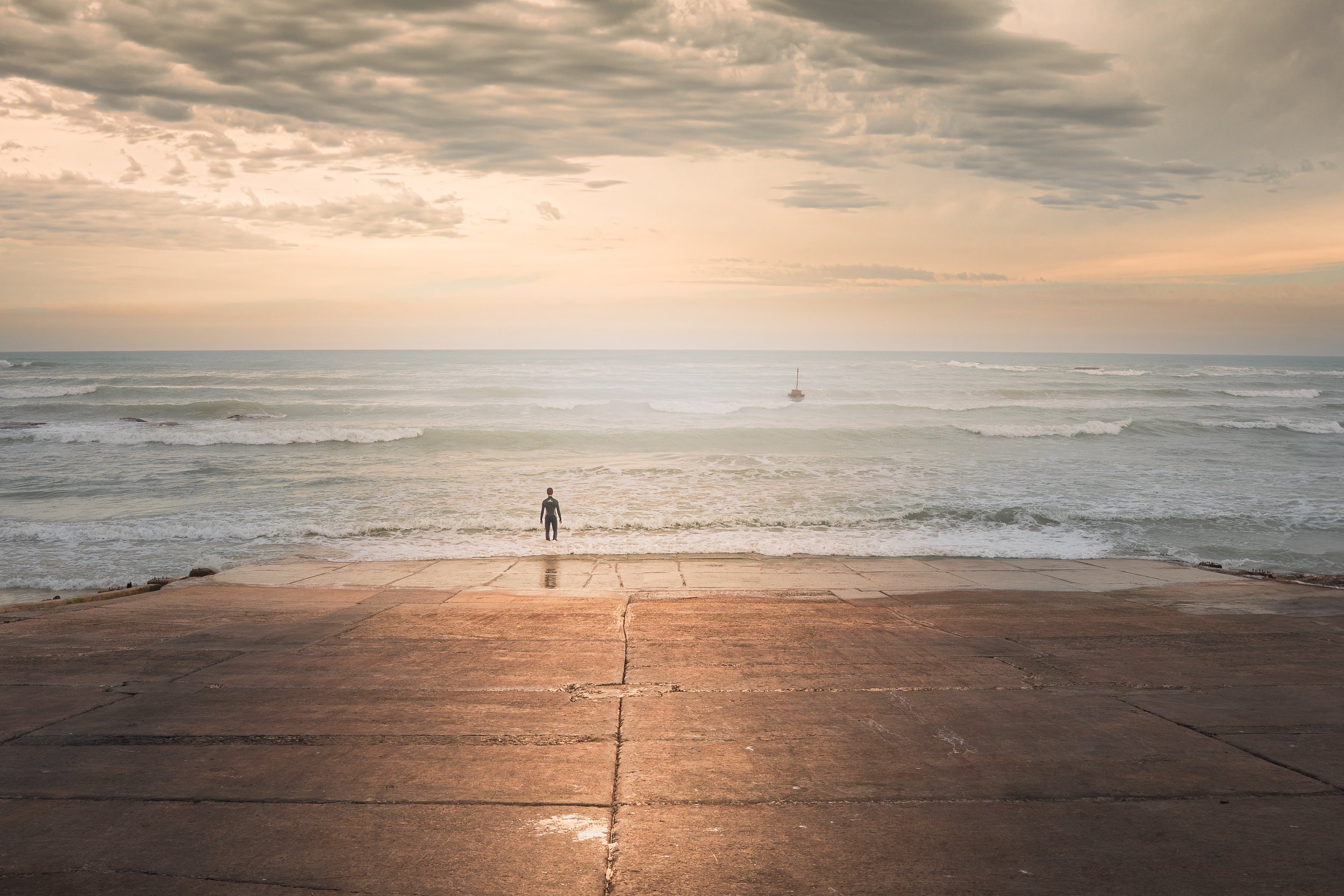
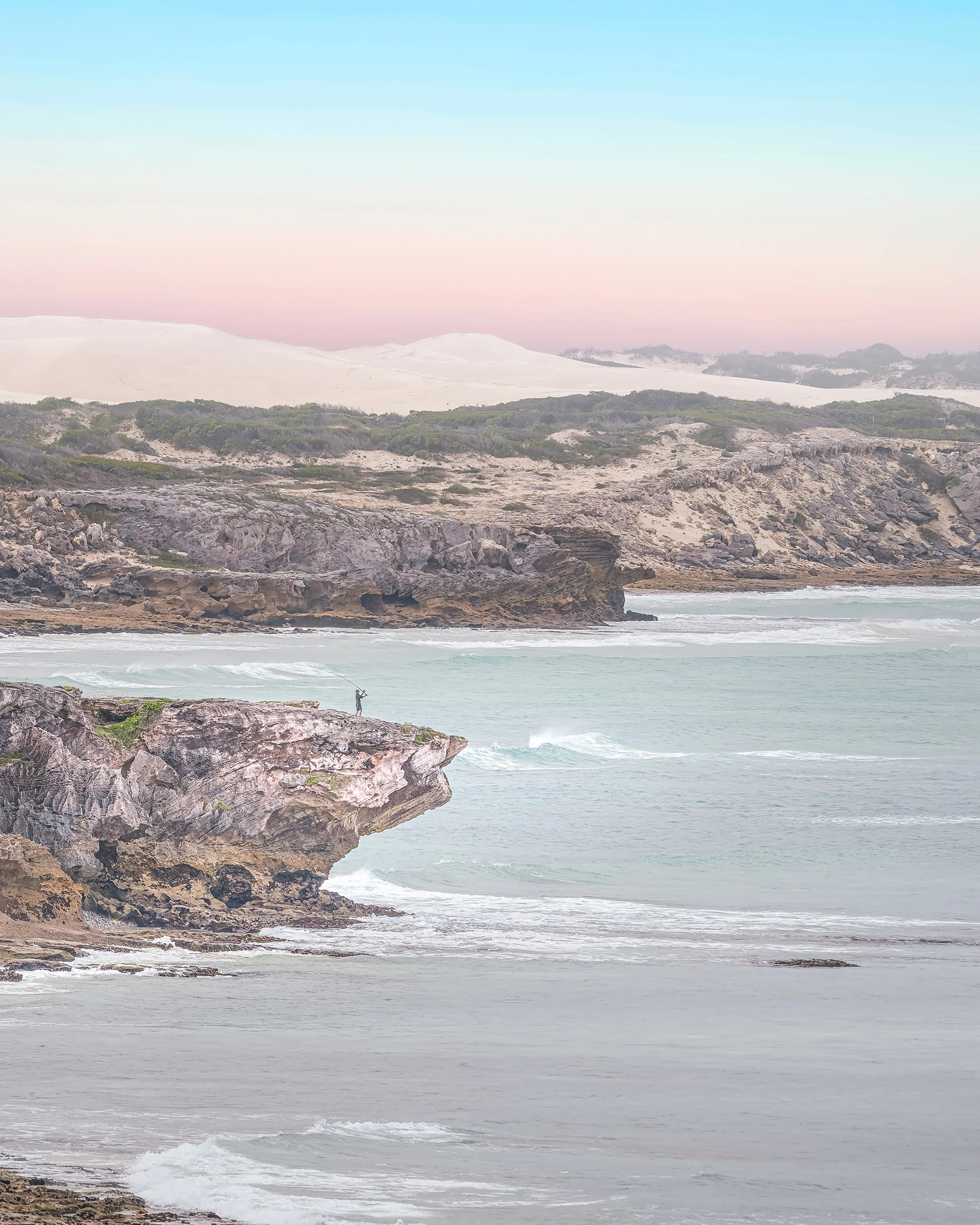
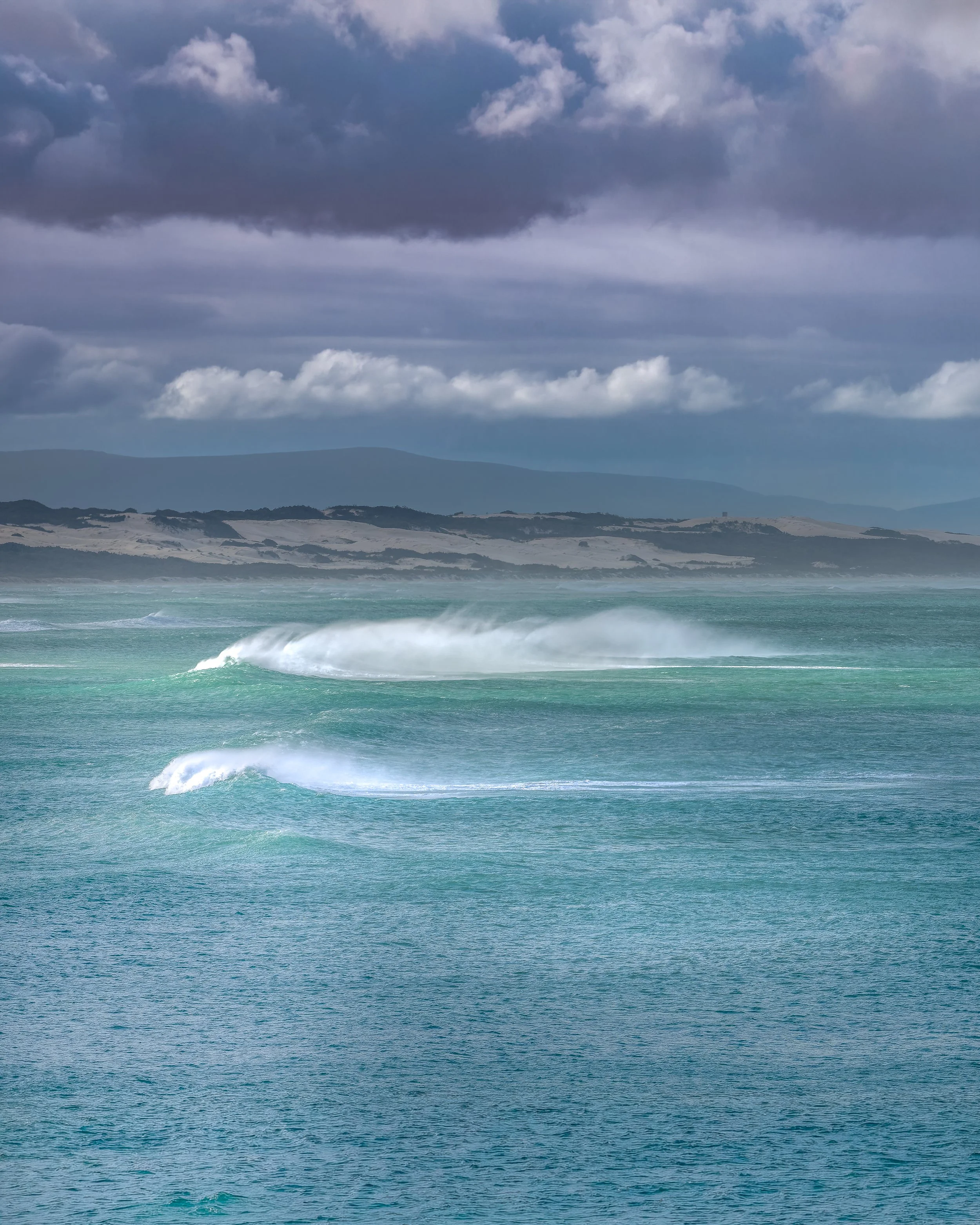
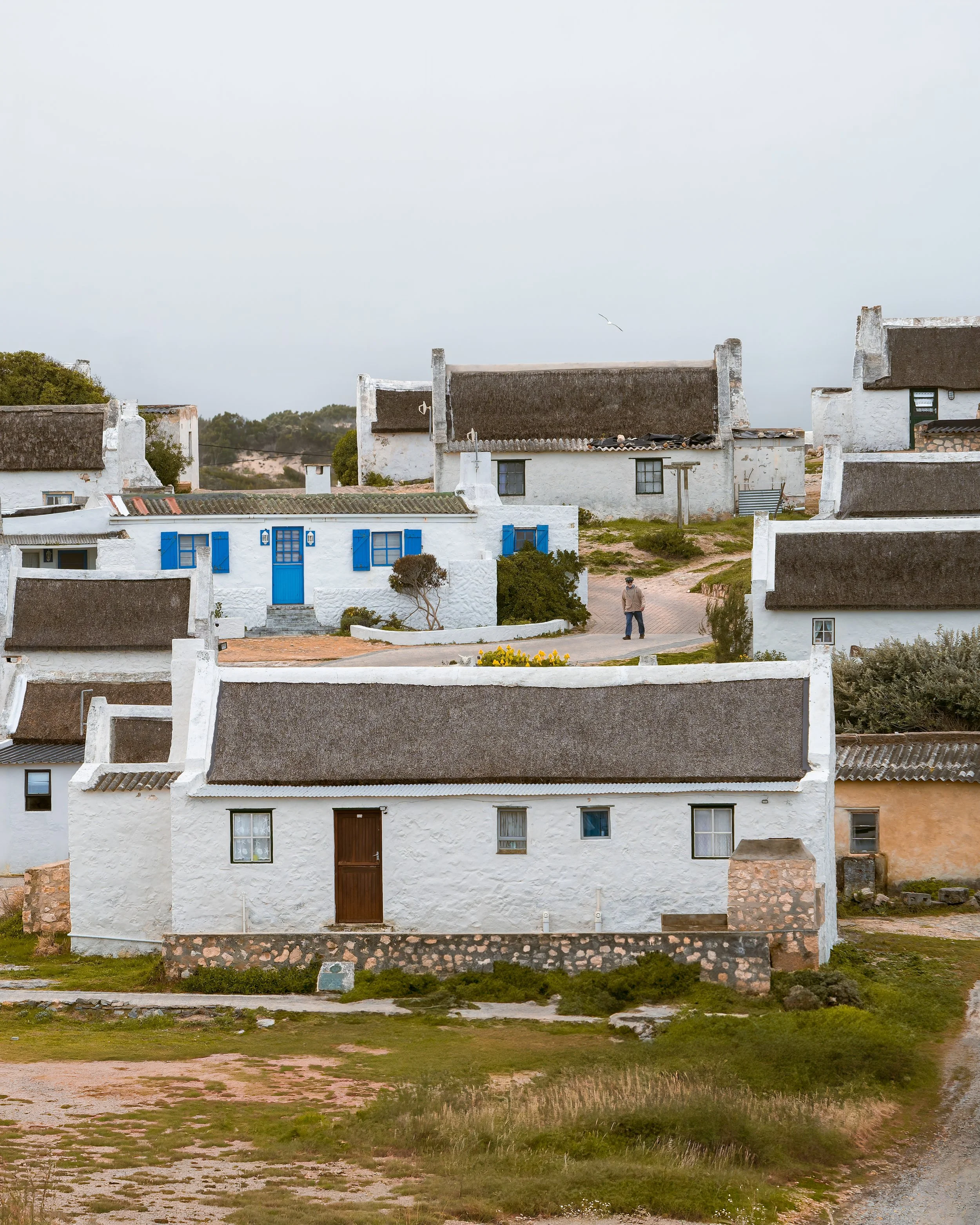
Across three visits, the work developed in two connected directions. One focused on the hotel itself as a place of stay, comfort, food, and hospitality. The other focused on Arniston more broadly: its coastline, Kassiesbaai, harbour, boats, architecture, weather, and the quiet sense of distance that shapes the experience of being there.
Storytelling was not part of the original commission. I developed those written narratives independently alongside the imagery, and the hotel later shared them through social media as an added layer of atmosphere and context.
MY APPROACH
A slower, place-led process shaped by observation, return visits, and context.
I do not approach a place-led commission as a quick coverage exercise. My process begins with observation: understanding mood, rhythm, light, locality, and the details that give a place its identity.
In Arniston, that meant returning over time and allowing the work to move between the hotel itself and the wider setting that shapes the guest experience. Rather than separating property from place, I treated the commission as a connected visual study.
The hotel could not be understood fully without its coastline, village, harbour life, weather, and sense of distance. That slower approach allowed the imagery to become more layered, more distinctive, and more faithful to the character of Arniston.
Alongside the photography, I also developed written narratives independently. These helped extend the work beyond documentation, adding atmosphere and context that ordinary promotional imagery often misses.
VISIT 1: READING THE PLACE
The first visit was less about coverage and more about understanding the character of Arniston.
The first visit was about understanding Arniston beyond the surface of a hotel stay. I spent time moving between the property, the village, the harbour, Kassiesbaai, and the coastline, paying attention to mood, weather, texture, rhythm, and the visual character of the place.
Rather than beginning with a fixed list of deliverables, this stage was about orientation. I wanted to understand what staying at Arniston Spa Hotel meant in context: the scale of the sea, the quietness of the village, the pull of the harbour, the preserved character of Kassiesbaai, and the sense of distance that makes the location feel removed from busier coastal destinations.
This first visit established the emotional and visual foundation for the rest of the commission. The recurring themes that emerged were space, atmosphere, locality, and a striking balance between hospitality and the wider identity of Arniston itself.




VISIT 2: STAYING THE PLACE
The second visit moved from orientation into experience, looking more closely at the hotel as a place of comfort, hospitality, and atmosphere.
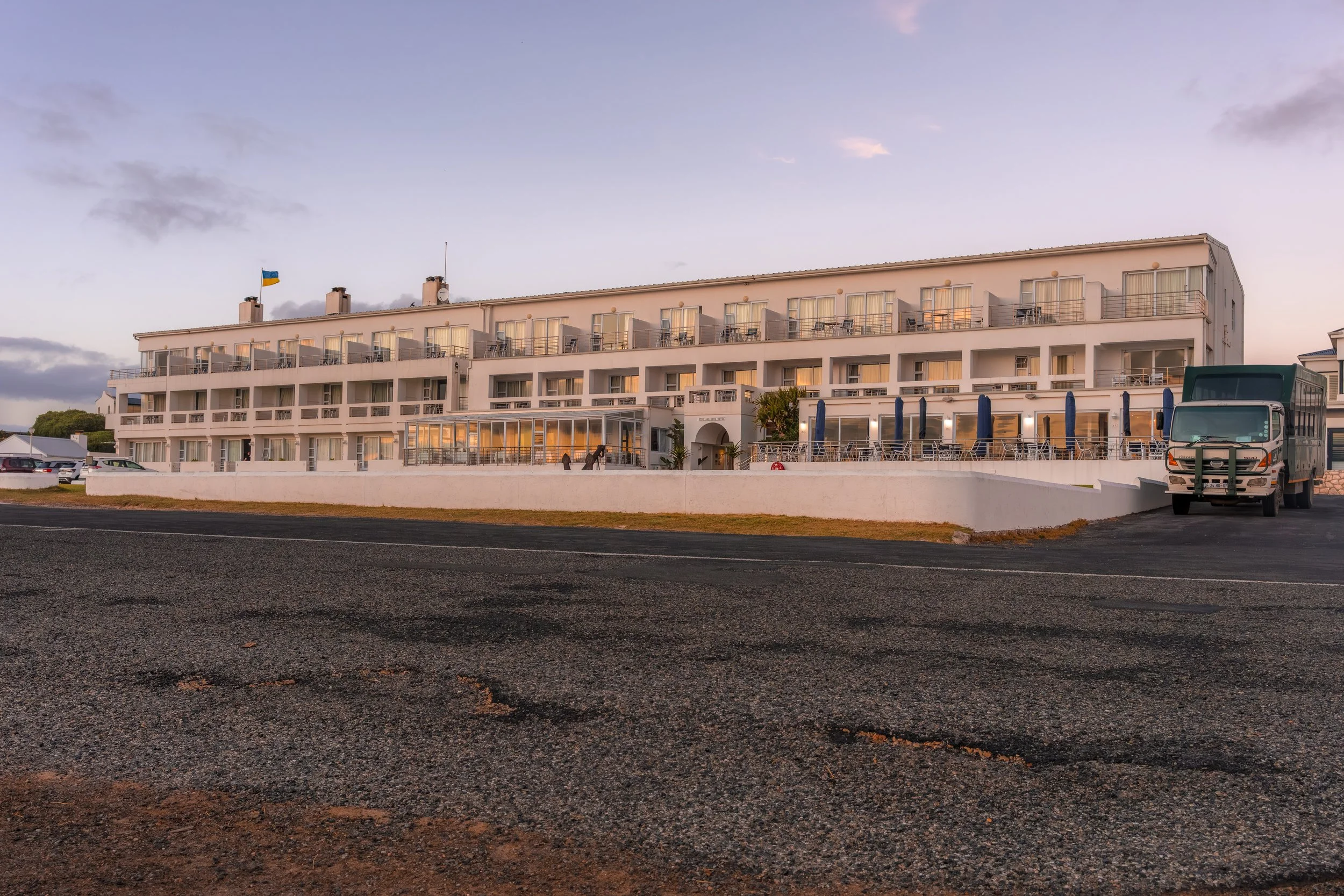
The second visit was less about reading Arniston broadly and more about understanding what it felt like to stay at Arniston Spa Hotel itself. By then, the wider setting had already begun to take shape in the work. This stage focused more directly on the hotel’s interiors, its position above the sea, the rhythm of service, and the quieter details that form a guest’s experience over time.
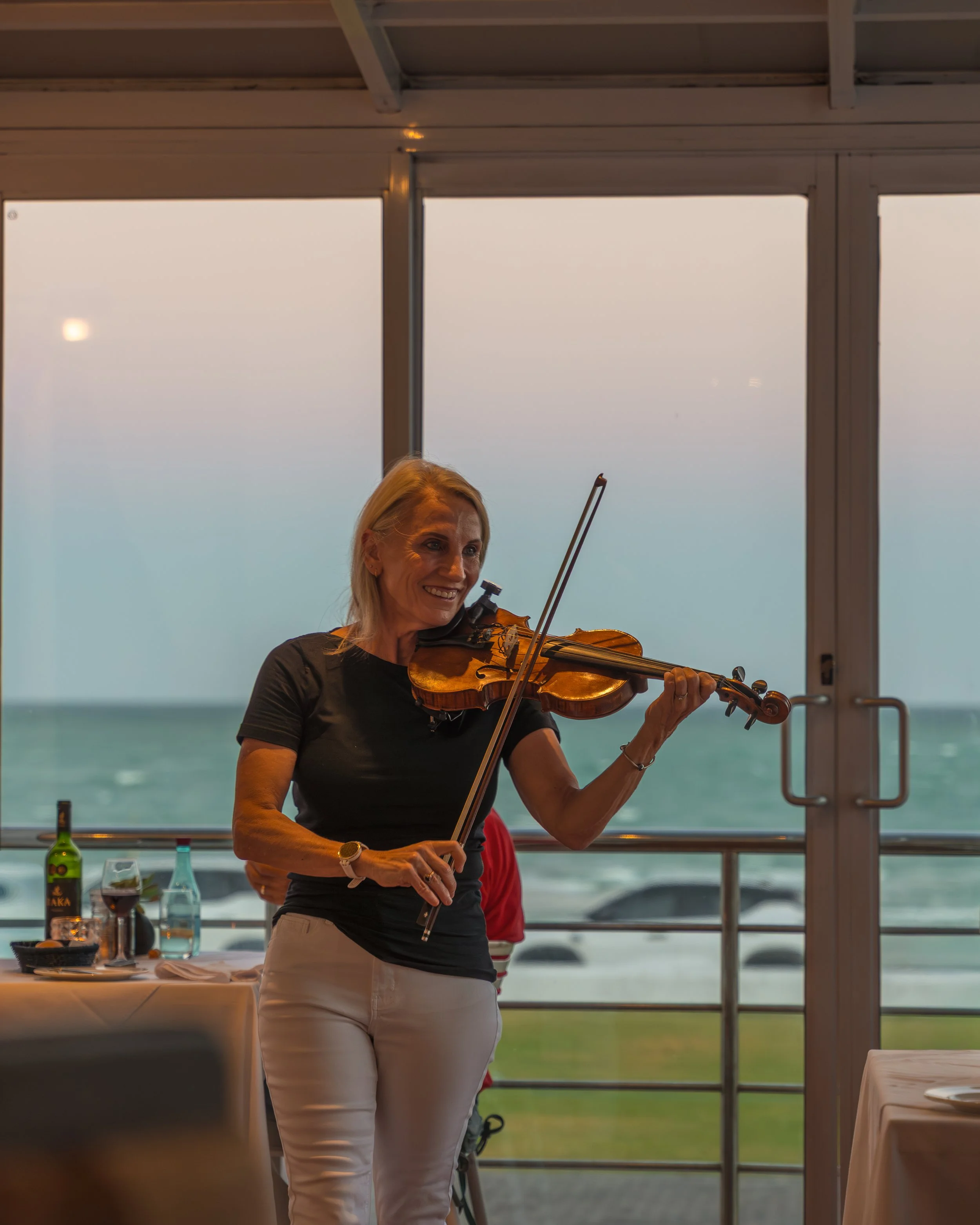
I spent time paying attention to the relationship between the hotel and the coastline just beyond it. Views from the rooms, the dining spaces, the shifting weather outside the windows, and the calm order of the interiors all became part of the same visual language. Rather than treating the hotel as separate from its surroundings, I wanted to show how the sea remained present throughout the stay, sometimes as backdrop, sometimes as atmosphere, and sometimes as the defining presence in the frame.
This visit also allowed me to work more closely with the textures of hospitality itself: arrival, comfort, dining, small gestures of care, and the sense of ease that a well run hotel can create. The intention was not simply to document facilities, but to observe how warmth, setting, and service come together to shape memory.
Where the first visit established the character of Arniston, the second began to describe the character of the hotel within it. The images from this stage are more intimate and more contained, but they remain connected to the same larger ideas of place, mood, and lived coastal experience.




VISIT 3: A PLACE FULLY FELT
By the third visit, the work had moved beyond observation into something more settled, intimate, and complete.
The final visit brought together the strands that had been developing across the commission. By this stage, Arniston Spa Hotel was no longer being approached simply as a building or even as a destination, but as a place fully connected to its surroundings, rhythms, and guest experience.
What had begun with orientation in the first visit and deepened through a more considered visual response in the second now became more assured. The imagery could move with greater confidence between the hotel itself and the wider setting that gives it meaning: the sea beyond the windows, the shifting light across the bay, the calm of interior spaces, the presence of food and hospitality, and the atmosphere created by comfort, openness, and proximity to the coast.
This visit was less about searching and more about refining. I was able to focus more carefully on the details that complete a guest’s sense of place: how rooms receive light, how shared spaces open toward the ocean, how meals, textures, and quieter moments contribute to the character of a stay. These were not treated as separate hospitality features, but as part of a broader visual language shaped by setting, mood, and continuity.
By the end of the third visit, the commission felt resolved as a body of work. The final images carried both sides of the project more clearly: Arniston Spa Hotel as a place of welcome and experience, and Arniston itself as the wider coastal presence that gives the hotel its distinct identity.

