

ARNISTON / WAENHUISKRANS
A Photographic Story of Place
Sea, weather, work, memory and return.
Sea, Memory and Return
Arniston / Waenhuiskrans is a personal photographic story shaped by shoreline, fishing cottages, changing weather, working life and return. Through wider views, quieter details and written reflection, it explores how the character of a distinctive coastal place can be seen, felt and remembered.
THE PLACE, NOT THE POSTCARD
The character of a place is revealed not only through its views, but through the details that make it recognisable.
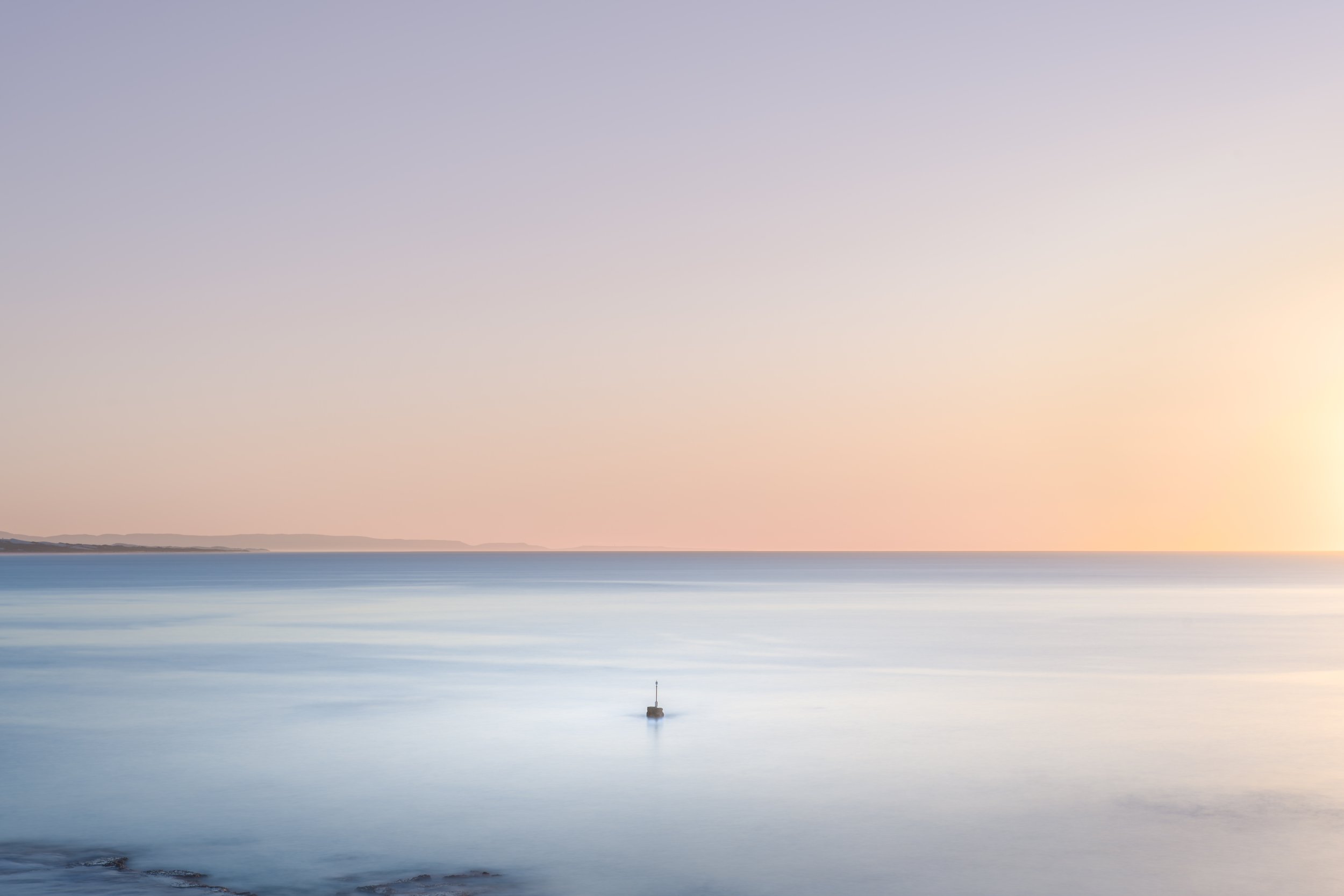
Summer Light
Arniston has the kind of coastal beauty that can easily be reduced to a postcard: pale water, open skies and a village gathered beside the bay.
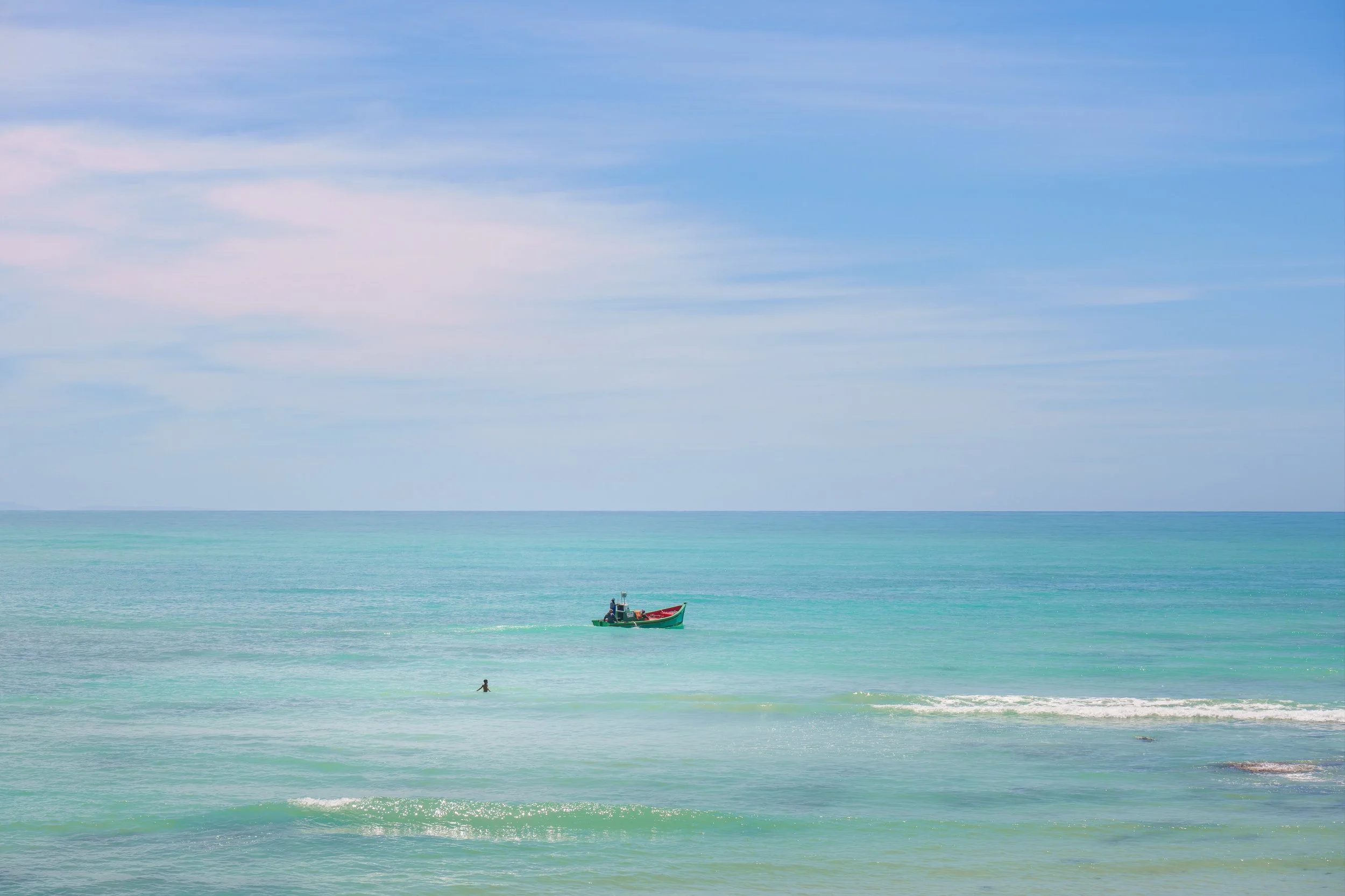
Its deeper character appears in the smaller things—a lone boat on turquoise water, blue shutters against whitewashed walls, sandy paths, fishing cottages and the scale of the settlement against the wide ocean.
Together, these details turn a beautiful view into a particular place.

Home Blues
WHAT I WAS LOOKING FOR
Not simply the most obvious views, but the elements that make Arniston unmistakably itself.
A place story begins with attention. I look for the wider setting as well as the quieter details that hold its character: weathered surfaces, repeated colours, working life and moments that feel unarranged.
THE SETTING
The sea, dunes, horizon and changing weather give Arniston its scale and atmosphere. They are not merely a background; they shape how the place is experienced.
THE WORKING EDGE
Boats, slipways, fishing equipment and the traces of daily work keep the story grounded. They reveal Arniston as a lived place, not simply a picturesque one.
THE BUILT TEXTURE
Whitewashed walls, blue shutters, old windows and worn surfaces carry much of the village’s visual identity. These details give the story texture, continuity and a sense of human presence.
THE SEQUENCE
The final story depends not only on individual photographs, but on how they are placed together. Wider views, details, weather and daily life need to unfold in a sequence that allows the place to reveal itself.
SEA AND WEATHER
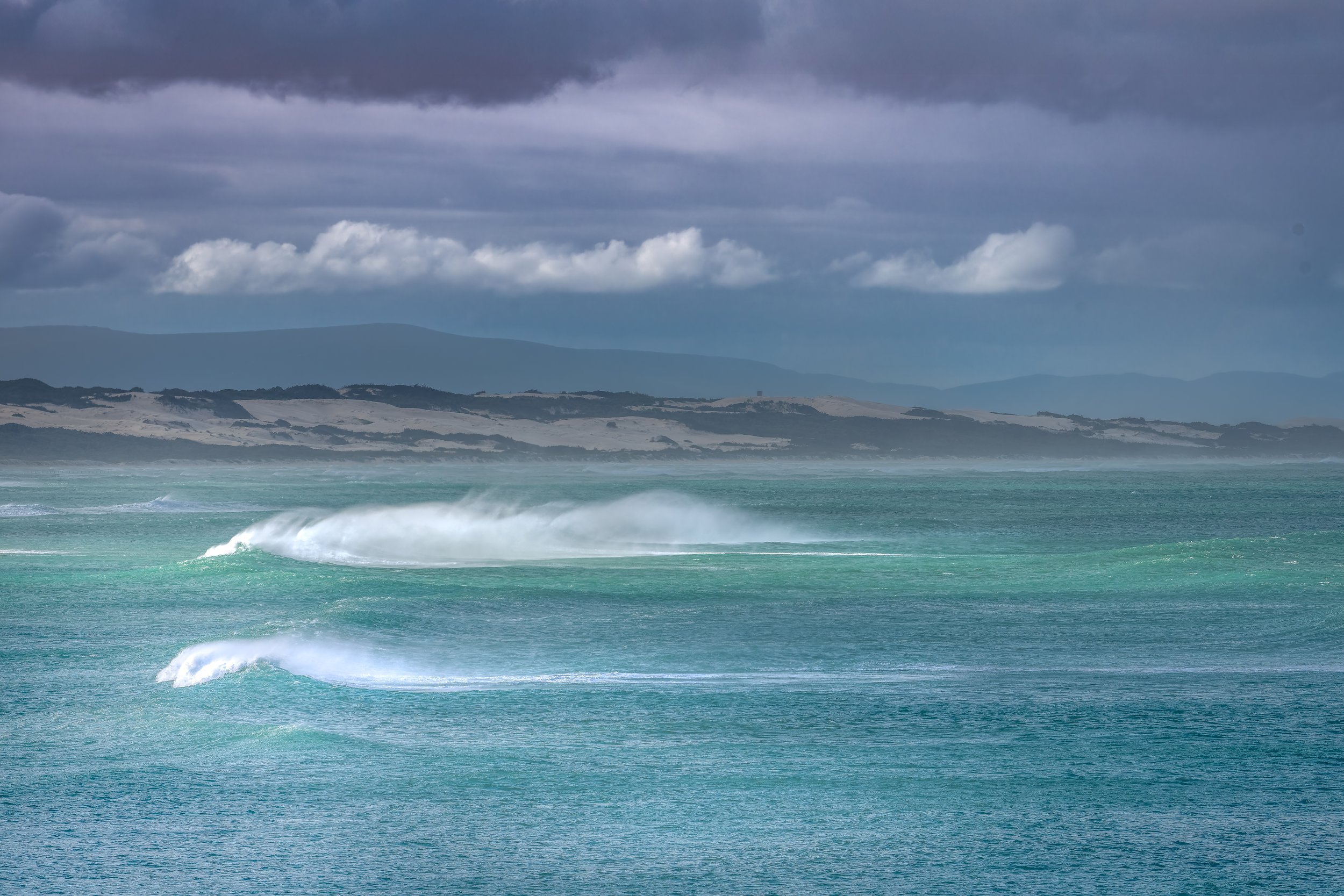
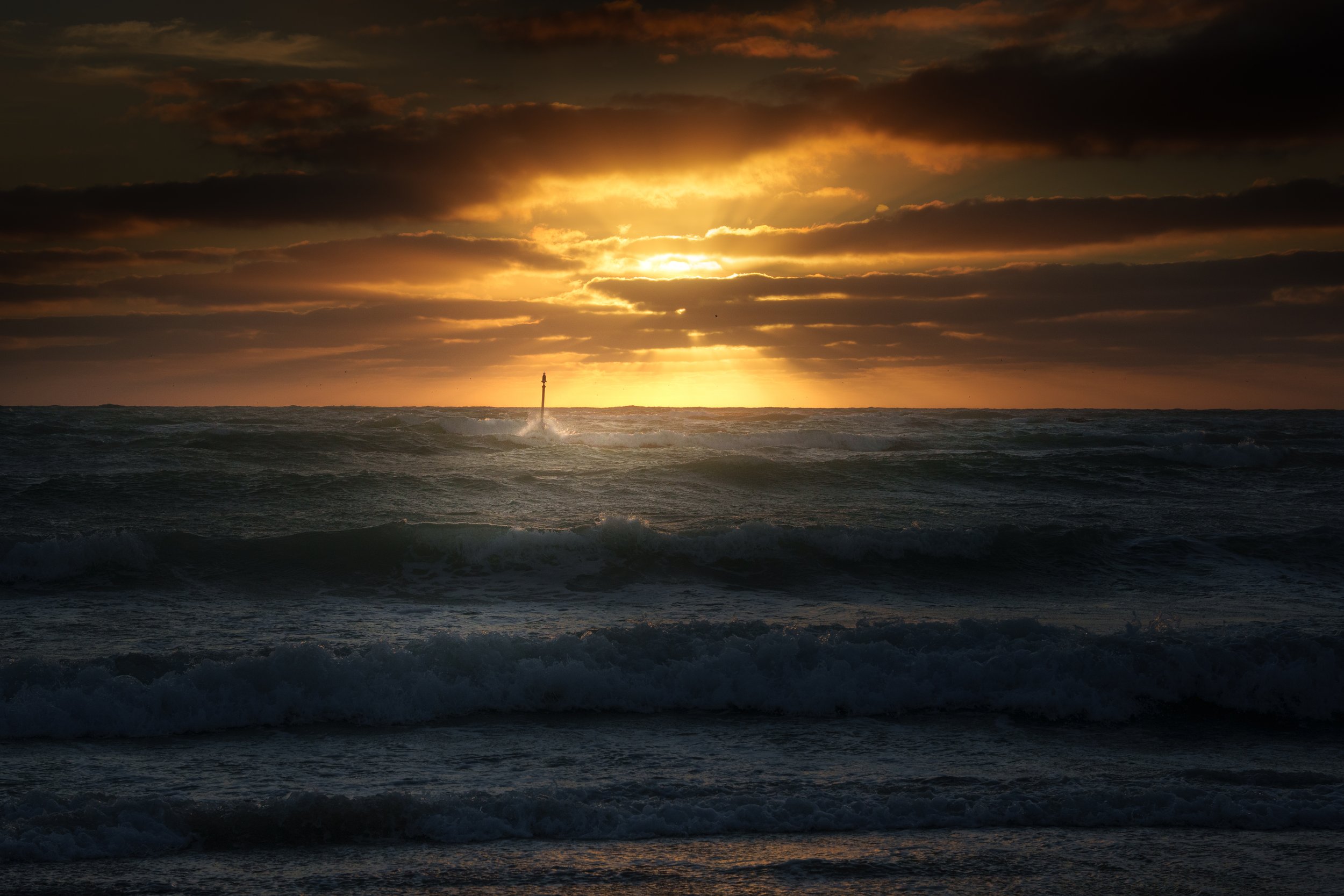
Here, the sea is both setting and force.
It changes the light, sets the pace and carries the weather into every part of Arniston. At times it is calm and pale; at others restless, physical and close.
I wanted these photographs to show more than coastal beauty—to reveal the sea as a presence that continually shapes the mood, rhythm and character of the place.
Wave Tales

Windswept Grace
Tidal Burst
DETAILS THAT HOLD THE PLACE
The wider story is often carried by the smallest details.
Old windows, patched walls, painted frames and objects gathered behind glass quietly reveal time, use and care.
These details carry the marks of weather, repair and daily life. I look for them because they give a place texture and honesty, showing not only how it appears, but how it has been lived in over time.

Stories in Glass

Weathered Frame

Old Window
WORK AND LIFE
Boats, cottages and the working details of the village give Arniston its human scale.
The boats and cottages belong to the same visual language. One faces the sea; the other gathers around the village. Together, the slipway, weathered hulls, whitewashed walls, thatched roofs and narrow roads reveal a place shaped by work, weather and repetition.
I am drawn to these ordinary structures because they keep the story grounded. They show Arniston not only as a beautiful coastal setting, but as a place that is lived in, worked from and continually returned to.
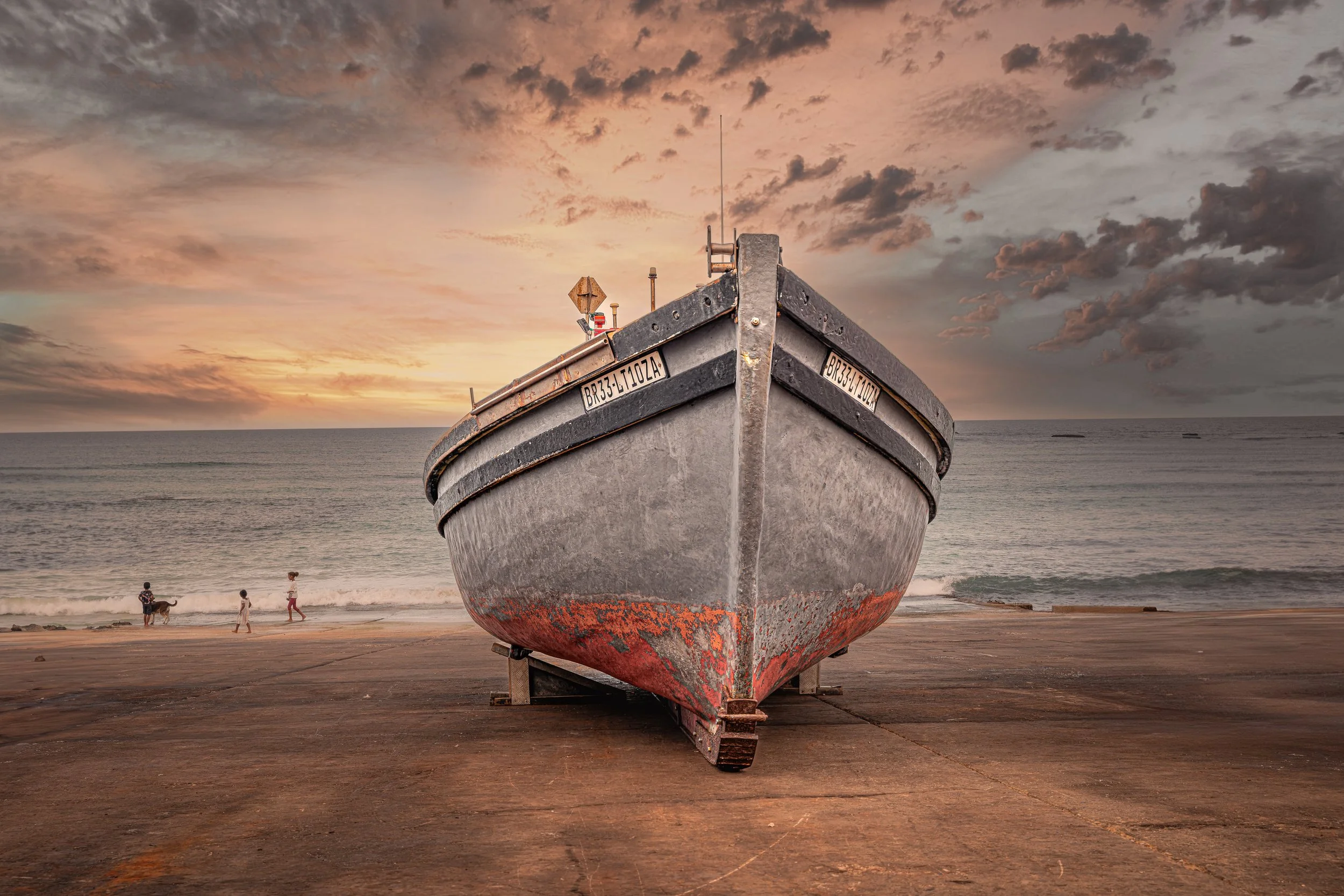
BR 33 A New Day
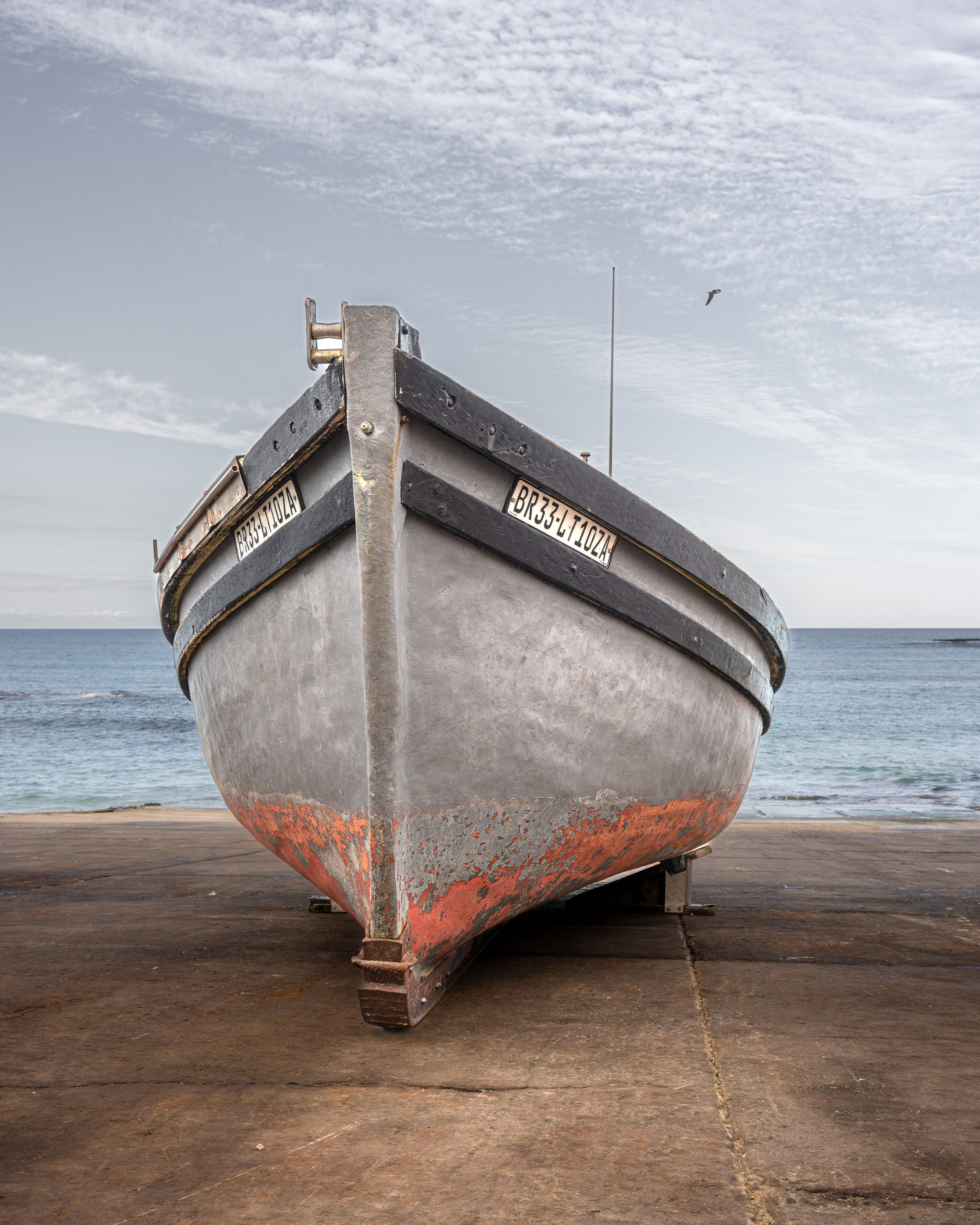
Midday Stillness BR33

Arniston on Main
THE CAVE AND THE FEELING OF RETURN
The cave changes the way the coastline is experienced.
From inside Waenhuiskrans, the sea is no longer simply viewed—it is framed by rock. Sound deepens, the light narrows, and the meeting of land and water becomes immediate and physical.
Looking outward creates a natural pause. The scale, stillness and altered perspective invite reflection, and for me, that sense of contemplation is part of Arniston’s enduring pull.
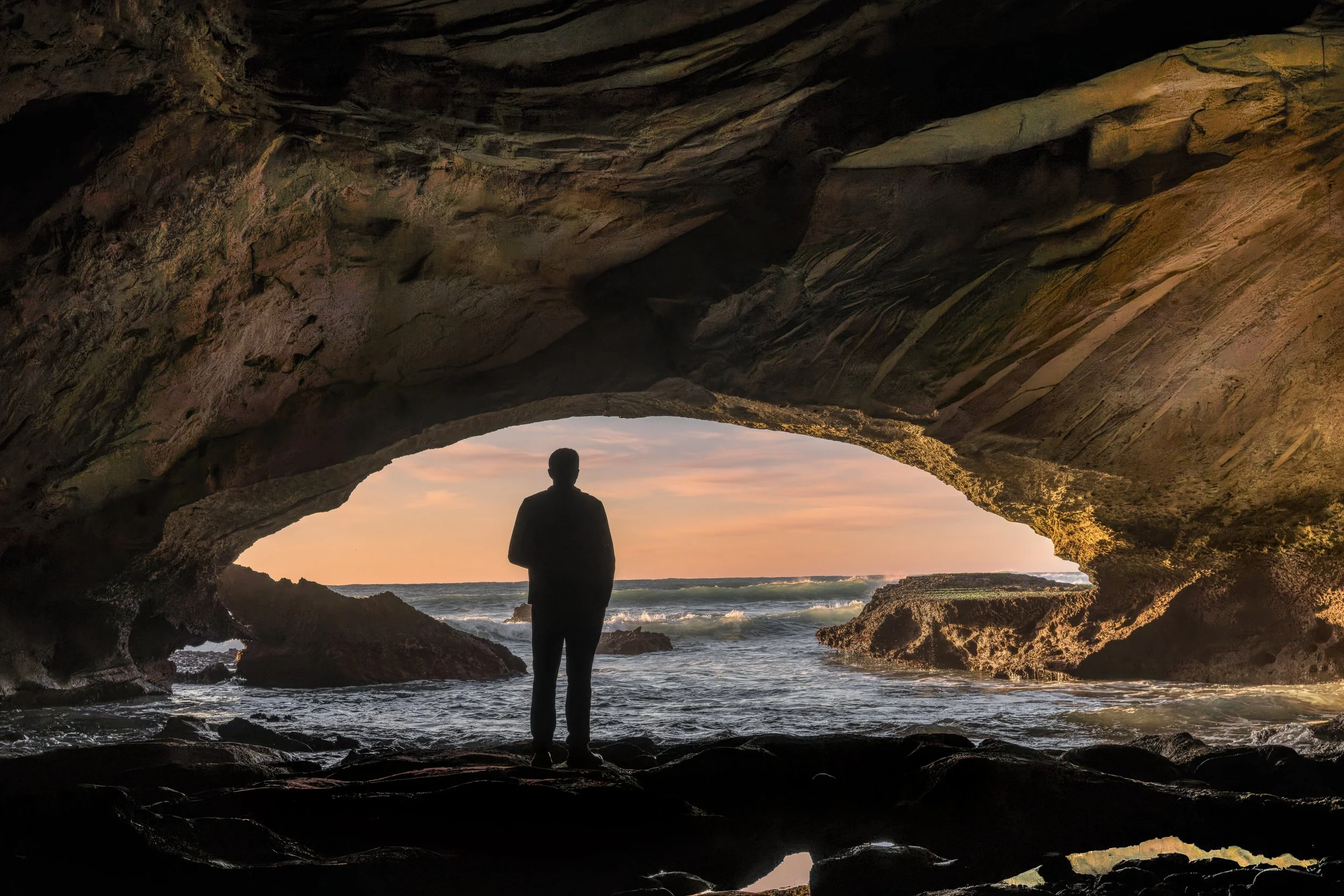
Liminal Tide
WHAT THIS SHOWS FOR OTHER PLACES
Arniston is a personal story, but the approach extends beyond this particular coastline.
For a lodge, retreat, specialist tour operator, reserve, destination or other place-led business, the challenge is often not a lack of character. It is that the website, photography and written content do not yet express that character clearly or convincingly.
A stronger creative presence begins by understanding what is distinctive, then shaping the right combination of positioning, original photography, written story and website presentation around it.
The aim is not to make every place look the same, but to help the right people recognise why this particular place is worth remembering, visiting or choosing.
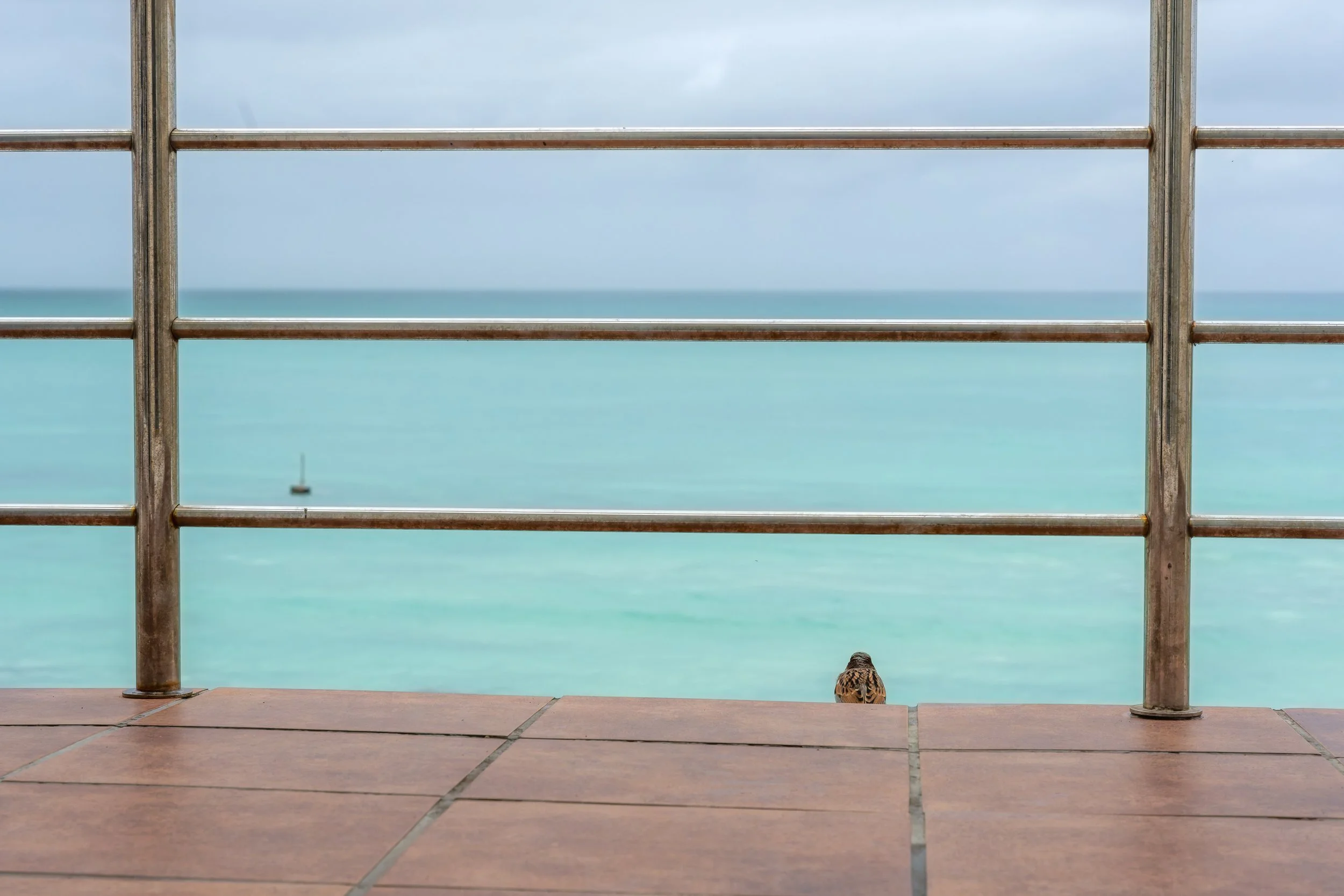
Birds Eye View